Wins
|
Goals
|
|
Scottish
|
42
|
171
|
English
|
9
|
55
|
Drawn
|
3
|

Queen's Park
44% of these matches involved teams representing Queen's Park, and the dominance they enjoyed in Scottish football was extended into their encounters with English sides.
P
|
W
|
D
|
L
|
F
|
A
|
|
Queen’s Park
|
24
|
21
|
2
|
1
|
85
|
11
|
The English teams that played Scottish opponents during the decade represented both the 'gentleman amateurs' (eg: Wanderers, Cambridge University, Clapham Rovers,London Pilgrims, Old Etonians) and the northern and midland clubs that would be at the forefront of developing the professional game (eg: Darwen, Blackburn Rovers, Aston Villa, Nottingham Forest, Stoke).
There was of course no league football in either England or Scotland during the 1870s. Aside from cup competitions the clubs relied on friendlies.

Darwen
Here is a list of the club fixtures from 1872-79.
04.03.72
|
Wanderers
|
0
|
0
|
Queen’s Park
|
Oval
|
|
30.01.75
|
Queen’s Park
|
6
|
0
|
Notts County
|
Hampden 1
|
|
08.03.75
|
Notts County
|
1
|
2
|
Queen’s Park
|
Trent Bridge
|
|
09.10.75
|
Queen’s Park
|
5
|
0
|
Wanderers
|
Hampden 1
|
|
06.02.76
|
Wanderers
|
2
|
0
|
Queen’s Park
|
Oval
|
|
01.04.76
|
Clydesdale
|
2
|
0
|
The Wednesday
|
Kinning Park
|
|
08.04.76
|
Alexandra Athletic
|
1
|
0
|
Sheffield Albion
|
Alexandra Pk
|
|
07.10.76
|
Queen’s Park
|
5
|
1
|
Notts County
|
Hampden 1
|
|
04.11.76
|
Wanderers
|
0
|
6
|
Queen’s Park
|
Oval
|
|
09.12.76
|
Queen’s Park
|
3
|
0
|
Cambridge University
|
Hampden 1
|
|
03.11.77
|
Third Lanark RV.
|
1
|
1
|
Sheffield Heeley
|
Cathkin 1
|
|
10.11.77
|
Partick
|
5
|
0
|
Darwen
|
Inchview Pk
|
|
17.11.77
|
Queen’s Park
|
6
|
1
|
Notts County
|
Hampden 1
|
|
08.12.77
|
Calthorpe
|
0
|
8
|
Queen’s Park XI
|
Birmingham
|
|
10.12.77
|
Stoke
|
0
|
1
|
Queen’s Park XI
|
Sweetings F
|
|
15.12.77
|
Queen’s Park
|
0
|
0
|
Cambridge University
|
Hampden 1
|
|
01.01.78
|
Darwen
|
3
|
2
|
Partick
|
Barley Bank
|
|
01.01.78
|
Sheffield Albion
|
1
|
2
|
Alexandria Athletic
|
Sheffield
|
|
02.01.78
|
Blackburn Rovers
|
2
|
1
|
Partick
|
Alexandra M.
|
|
19.01.78
|
Notts County
|
1
|
2
|
Queen’s Park
|
Trent Bridge
|
|
09.02.78
|
Queen’s Park XI
|
7
|
0
|
Calthorpe
|
Hampden 1
|
|
16.02.78
|
Nottingham Forest
|
2
|
4
|
Glasgow Rangers
|
Nottingham
|
|
18.02.78
|
The Wednesday
|
1
|
2
|
Glasgow Rangers
|
Sheaf House
|
|
13.04.78
|
Wanderers
|
1
|
3
|
Vale of Leven
|
Oval
|
|
20.04.78
|
Glasgow Rangers
|
2
|
0
|
Nottingham Forest
|
Kinning Park
|
|
22.04.78
|
Ayr Thistle
|
0
|
3
|
Nottingham Forest
|
Ayr
|
|
06.04.78
|
Manchester Birch
|
0
|
6
|
Queen’s Park
|
Manchester
|
|
21.09.78
|
Queen’s Park XI
|
4
|
1
|
Stoke
|
Hampden 1
|
|
25.10.78
|
Clapham Rovers
|
1
|
5
|
Glasgow Rangers
|
London
|
|
26.10.78
|
Nottingham Forest
|
0
|
2
|
Glasgow Rangers
|
Nottingham
|
|
09.11.78
|
Partick
|
2
|
0
|
Blackburn Rovs
|
Inchview Pk
|
|
09.11.78
|
Queen’s Park
|
4
|
0
|
Notts County
|
Hampden 1
|
|
01.01.79
|
Sheffield Heeley
|
0
|
2
|
Third Lanark RV.
|
Sheffield
|
|
01.01.79
|
Darwen
|
0
|
7
|
Partick
|
Barley Bank
|
|
02.01.79
|
Blackburn Rovers
|
2
|
4
|
Partick
|
Alexandra M.
|
|
18.01.79
|
Nottingham Forest
|
4
|
1
|
Edinburgh University
|
Nottingham
|
|
18.01.79
|
Stoke
|
1
|
4
|
Queen’s Park XI
|
Victoria G
|
|
20.01.79
|
Birmingham Select
|
1
|
4
|
Edinburgh University
|
Birmingham
|
|
20.01.79
|
Aston Villa
|
1
|
2
|
Queen’s Park XI
|
Perry Barr
|
|
01.02.79
|
Notts County
|
0
|
2
|
Queen’s Park
|
Trent Bridge
|
|
11.04.79
|
Ayr FC
|
1
|
2
|
Calthorpe
|
Ayr
|
|
12.04.79
|
Glasgow Rangers
|
3
|
0
|
Nottingham Forest
|
Kinning Park
|
|
12.04.79
|
Manchester Wrs
|
0
|
4
|
Queen’s Park
|
Manchester
|
|
12.04.79
|
Mauchline
|
3
|
0
|
Calthorpe
|
Mauchline
|
|
14.04.79
|
Glasgow University
|
5
|
2
|
Calthorpe
|
Glasgow
|
|
25.10.79
|
Blackburn Rovers
|
1
|
4
|
Glasgow Rangers
|
Alexandra Med.
|
|
01.11.79
|
Nottingham Forest
|
6
|
1
|
Edinburgh University
|
Nottingham
|
|
08.11.79
|
London Pilgrims
|
0
|
2
|
Queen’s Park XI
|
London
|
|
10.11.79
|
Stoke
|
1
|
2
|
Queen’s Park XI
|
Victoria
Ground
|
|
15.11.79
|
Queen’s Park
|
4
|
1
|
Notts County
|
Hampden 1
|
|
15.11.79
|
Aston Villa
|
4
|
2
|
Parkgrove FC
|
Perry Barr
|
|
25.12.79
|
Kilmarnock Ath.
|
7
|
1
|
Nottingham St.James
|
Kilmarnock
|
|
27.12.79
|
Vale of Leven
|
5
|
2
|
Old Etonians
|
Alexandria
|
|
30.12.79
|
Edinburgh University
|
3
|
4
|
Old Etonians
|
Edinburgh
|
What also began in the latter part of the 1870s was the trickle of Scottish players to join English clubs. Offered sinecure positions in local industries they were tacitly professional.
James Lang (Clydesdale- The Wednesday, 1876), Fergus Suter and Jimmy Love (Partick-Darwen, 1878) and Archie Hunter (Ayr Thistle- Aston Villa, 1878) are early examples.
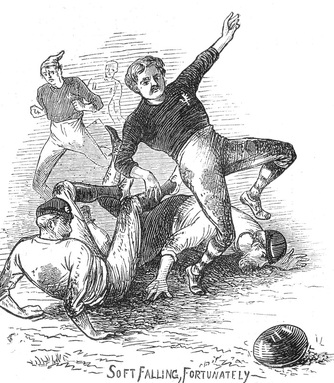
Scotland also enjoyed the advantage in the international matches played during the decade.
Wins
|
Goals
|
|
Scotland
|
4
|
23
|
England
|
2
|
15
|
Drawn
|
2
|
30.11.72
|
Scotland
|
0
|
0
|
England
|
Hamilton Cres.
|
|
08 03.73
|
England
|
4
|
2
|
Scotland
|
Oval
|
|
07.03.74
|
Scotland
|
2
|
1
|
England
|
Hamilton
Cres.
|
|
06.03.75
|
England
|
2
|
2
|
Scotland
|
Oval
|
|
04.03.76
|
Scotland
|
3
|
0
|
England
|
Hamilton
Cres.
|
|
03.03.77
|
England
|
1
|
3
|
Scotland
|
Oval
|
|
02.03.78
|
Scotland
|
7
|
2
|
England
|
Hampden 1
|
|
05.04.79
|
England
|
5
|
4
|
Scotland
|
Oval
|
Note: the unofficial England Scotland matches of 1870-72 and the Glasgow Sheffield series are not included.


